
Introduction
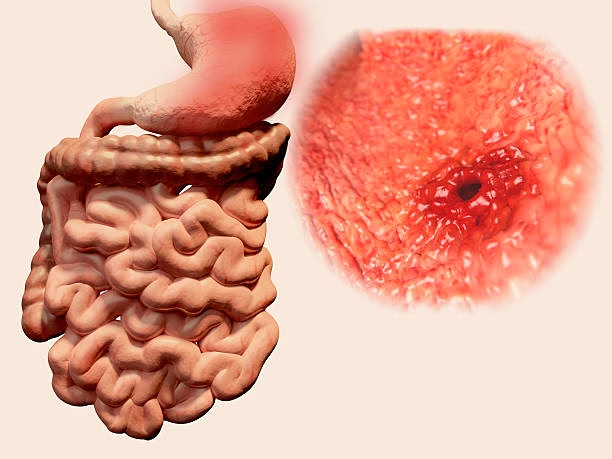
A peptic ulcer is a sore or open wound that develops on the inner lining of the stomach, upper small intestine, or lower esophagus. It occurs when stomach acid damages the protective lining, leading to painful sores. In Ghana, peptic ulcers are extremely common due to a mix of infection, drug misuse, and lifestyle habits. This blog explores why ulcers are so widespread, who is most affected, and what can be done to prevent and treat them.
Understanding Peptic Ulcers.
The stomach produces strong acid to help digest food. Normally, a thick mucus lining protects the stomach wall from damage. When this balance is disturbed, acid can erode the lining, leading to ulcers.
The main causes include:
- Helicobacter pylori infection (H. pylori)
- Non-steroidal anti-inflammatory drugs (NSAIDs) such as ibuprofen, diclofenac, and aspirin
- Lifestyle factors like alcohol, smoking, and stress
In Ghana, easy access to over-the-counter NSAIDs and low awareness of H. pylori infection make ulcers especially common.
How Common Are Ulcers in Ghana?
Hospital-based studies reveal alarming statistics:
| Region/Hospital | Prevalence (%) | Study/Year |
|---|---|---|
| Korle-Bu (Accra) | 74.8% | Archampong, 2015 |
| Komfo Anokye (Kumasi) | 44.9% | Agyei-Nkansah, 2019 |
| National (Meta-analysis) | ~27% | Multiple Studies |
The World Health Organization (WHO) estimated that in 2020, peptic ulcer disease caused 321 deaths in Ghana, with an age-adjusted death rate of about 2.2 per 100,000 people.
Causes & Risk Factors
- Helicobacter pylori infection – found in 45–75% of ulcer patients in Ghana.
- NSAID misuse – Ibuprofen (19%), Diclofenac (15%), Aspirin (~3%), Naproxen (1%).
- Alcohol and smoking – weaken the stomach lining and increase acid.
- Stress and irregular meals – worsen symptoms.
- Herbal medicines – some traditional herbs are harsh on the stomach and may trigger ulcers.
Symptoms & Complications
Common symptoms include:
- Burning stomach pain
- Bloating
- Nausea and vomiting
- Weight loss
Serious complications include
- Bleeding ulcers (vomiting blood)
- Perforation (a dangerous hole in the stomach)
- Obstruction (blockage of the intestine)
In Ghana, perforation rates reach up to 5% in surgical cases.
Treatment Options in Ghana
Treatment depends on the cause:
- H. pylori-related ulcers: Triple therapy (Omeprazole, Amoxicillin, Clarithromycin or Metronidazole).
- NSAID-related ulcers: Stopping NSAID use and prescribing proton pump inhibitors (PPIs) like Omeprazole or Pantoprazole.
- Other medicines: Sucralfate (to coat the stomach), Ranitidine (less common now), and antacids.
⚠️ Access to treatment is improving, but many rural areas still lack proper diagnostic services such as endoscopy.
Public Health Impact
Peptic ulcer disease is more than a medical issue—it has social and economic consequences. Since it mainly affects young and middle-aged adults, it reduces productivity, increases healthcare costs, and puts financial stress on families. Many patients present late with severe complications due to self-medication or reliance on herbal treatments.
Recommendations
Nationwide screening for H. pylori and public education.
Stronger regulation of NSAID sales.
Ensure protective drugs are prescribed with NSAIDs.
Expand endoscopy services beyond major teaching hospitals.
Launch public health campaigns to raise awareness.
Conclusion
Peptic ulcer disease is highly prevalent in Ghana due to infection, drug misuse, and lifestyle habits. It affects young and middle-aged adults the most, leading to reduced productivity and preventable deaths. With better education, screening, and treatment strategies, the burden of ulcers in Ghana can be significantly reduced.
Take Action
Worried about ulcer symptoms?
Book a consultation with our specialists today for early diagnosis, effective treatment, and lasting relief.