
- Introduction
- 1. What is Liver Cirrhosis?
- 2. Major Causes in Africa (2025)
- 3. Why Ages 15–70 Should Be Concerned
- 4. The Economic and Social Impact of Cirrhosis in Africa.
- 5. How to Spot Liver Damage Early.
- 6. Prevention: What You Can Do at Any Age.
- 7. Stories of Hope & Innovation in 2025.
- Conclusion: Time to Act on Liver Cirrhosis
Introduction
Liver cirrhosis, once viewed as a condition affecting older, alcohol-consuming individuals, has rapidly evolved into a silent but deadly epidemic across Africa. In 2025, liver cirrhosis is one of the leading causes of premature death and disability on the continent, affecting people across all age groups — from teenagers to the older people. Yet, despite its growing impact, awareness, early detection, and effective intervention remain dangerously low.
This article explores what liver cirrhosis is, its causes, the state of the disease in Africa in 2025, and why every African — aged 15 to 70 — should care.
1. What is Liver Cirrhosis?
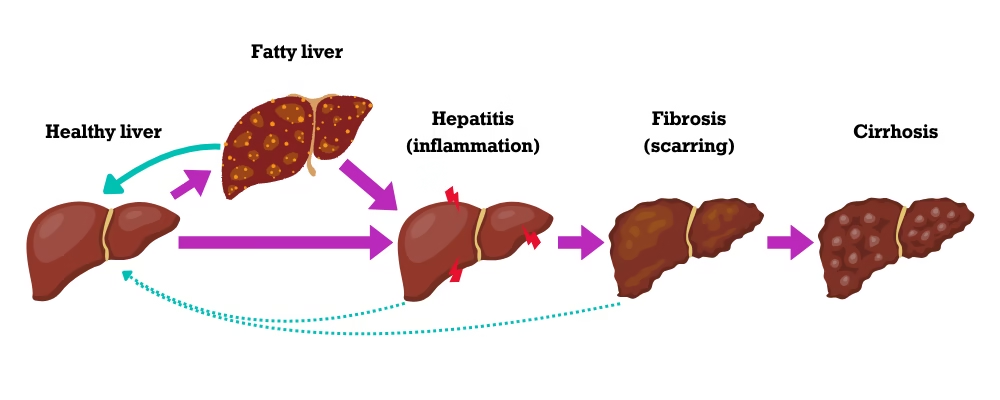
Liver cirrhosis is the result of long-term, continuous damage to the liver and may be due to many different causes, including infections, toxins, or metabolic issues. It leads to scarring (fibrosis) of the liver tissue, which reduces liver function over time.
The liver plays over 500 vital functions — from detoxifying the blood and metabolizing drugs to storing vitamins and producing bile for digestion. When cirrhosis occurs, the liver cannot perform these functions properly, and complications develop — including internal bleeding, jaundice, confusion, and eventually liver failure.
2. Major Causes in Africa (2025)
While cirrhosis is a global disease, Africa faces unique regional factors that increase its burden:
- Chronic Hepatitis B and C infections: These remain the top cause of liver cirrhosis in sub-Saharan Africa.
- Alcohol misuse: Alcohol-related liver disease is rising sharply, especially among urban youth.
- Non-alcoholic fatty liver disease (NAFLD): Linked to diabetes, obesity, and unhealthy diets, NAFLD is an emerging threat due to lifestyle changes across Africa.
- Traditional/herbal medicine: Unregulated herbal remedies may contain toxic compounds that harm the liver.
- Aflatoxin exposure: Contaminated grains and groundnuts are a major but underreported cause of liver cancer and cirrhosis
3. Why Ages 15–70 Should Be Concerned
Contrary to popular belief, liver cirrhosis doesn’t just affect the old people. In Africa, young people and working-age adults (15–49) are increasingly being diagnosed with advanced liver damage. Reasons include:
- Early infection with hepatitis B (often at birth or in childhood).
- Easy access to cheap alcohol and lack of health education.
- Delay in diagnosis due to lack of symptoms in early stages.
Many only seek help when cirrhosis is advanced, limiting treatment options and reducing life expectancy significantly.
4. The Economic and Social Impact of Cirrhosis in Africa.
- The cost of managing cirrhosis is massive — not only for families but also for national health systems and economies.
- Out-of-pocket healthcare costs drive many families into poverty.
- Loss of productivity: Patients are often unable to work, especially in physically demanding jobs.
- Dependency: Older patients or young adults with liver failure rely on caregivers, increasing the social burden.
- Mortality: Liver cirrhosis is now among the top 10 causes of adult deaths in several African countries.
- In 2025, African health ministries and NGOs are calling for urgent liver health inclusion in national non-communicable disease (NCD) plans.
5. How to Spot Liver Damage Early.
Early detection of liver disease can save lives. Warning signs to watch for:
- Fatigue, weakness
- Abdominal swelling or pain (especially on the right side)
- Yellowing of the skin or eyes (jaundice)
- Itchy skin
- Loss of appetite and unexplained weight loss
- Dark urine or pale stools
- Routine blood tests (LFTs), imaging (ultrasound), and hepatitis screening can detect problems before symptoms develop.
6. Prevention: What You Can Do at Any Age.
Whether you’re 15 or 70, there are practical steps you can take to protect your liver
- Get vaccinated against hepatitis B (safe, effective, widely available).
- Avoid sharing needles or unsterile tattoos/piercings.
- Limit or avoid alcohol. For young people, avoid binge drinking entirely.
- Maintain a healthy weight and diet (low in sugar and processed foods).
- Avoid unregulated herbal medications or supplements.
- Get screened regularly, especially if you have a family history or known hepatitis.
Public education, workplace screening, and youth-targeted awareness campaigns are crucial to reversing this trend.
7. Stories of Hope & Innovation in 2025.
Countries like Rwanda, Ghana, and South Africa have started implementing national hepatitis plans, offering free or subsidized screening, vaccination, and treatment.
Mobile clinics and AI-powered diagnostics are helping rural communities catch liver disease early. Community health workers now play a bigger role in delivering preventive care.
More African doctors are specializing in liver diseases, and local biotech startups are exploring herbal remedies with evidence-based liver protection potential.
Conclusion: Time to Act on Liver Cirrhosis
Liver cirrhosis is no longer a distant threat. It’s real, it’s rising, and it’s taking the lives and livelihoods of millions across Africa — silently.
From teens experimenting with alcohol to adults managing hepatitis unknowingly, the danger spans generations. But it’s not too late. Through awareness, screening, vaccination, lifestyle change, and collective advocacy, we can reduce the burden and prevent needless deaths.
Let’s make 2025 the year we prioritize liver health — for ourselves, our families, and future generations.